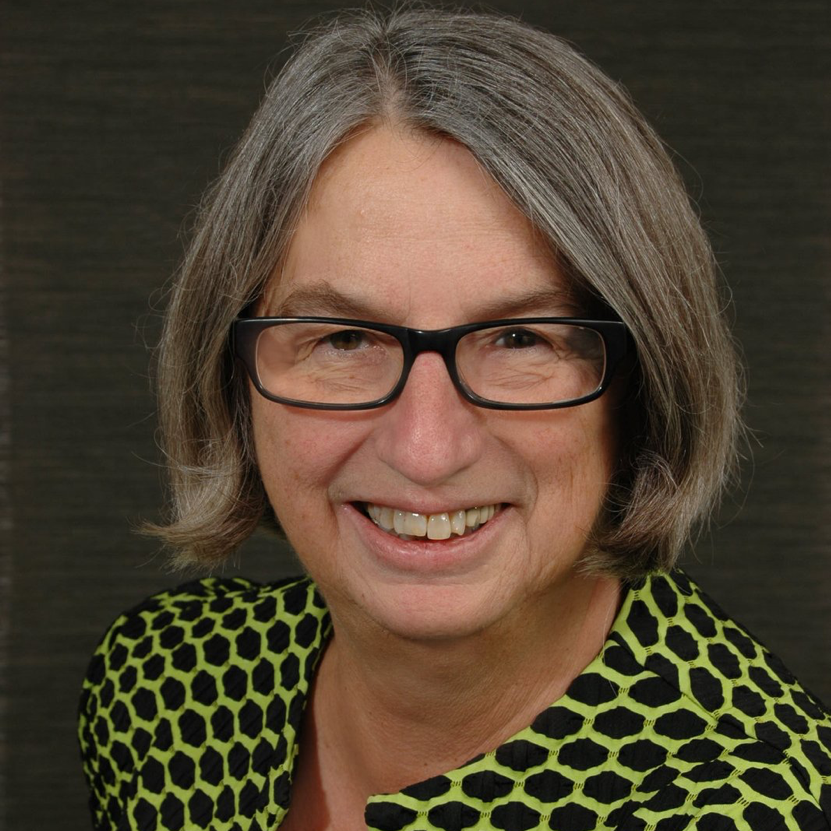
Lecture by Gabriele Dietze as part of the series “Figurations of Gender, Difference, and Identity—Ideological Approaches, Authoritarian Turns, and the Popularization of Violence” at the Institute for Art Education (IKL).
In postcolonial theory, Edward Said coined the term “Orientalism” to describe the invention of an “Arab Orient” in the colonial imagination. In contemporary Europe, one can speak of “neo-Orientalism” or “Occidentalism” when considering Western discrimination against Muslim immigrants, in which sexist and racist resentments are intertwined. One example was the moral panic that arose over sexual assaults committed by young “refugees” and migrants on New Year’s Eve 2015–2016. This prompted the development of the category “ethnosexism” to capture an increasingly acute conceptualization of migration as a “sexual problem,” one that draws on the defensive tropes of the “sexually oppressed Muslim woman” and the “sexually dangerous Muslim refugee.” In turn, the paper will examine Western narratives of superiority—allegedly regarding the best of all forms of government (democracy), the best of all rationalities (secularism), and a maximally advanced sexual regime (self-determination)—which, drawing on a category developed by Jasbir Puar, is termed “sexual exceptionalism.”
Gabriele Dietze is a traveling scholar. She teaches and conducts research on gender, race, media, sexual politics, and right-wing populism at Humboldt University of Berlin and Dartmouth College in New Hampshire. She is currently a fellow of the Volkswagen Foundation working on the COVID-19 project “Quarantine Culture” and a regular contributor to the gender blog of the Zeitschrift für Medienwissenschaft. Publications include: White Women in Motion: Genealogies and Competitions of Race and Gender Politics, Bielefeld (transcript) 2013; Sexual Politics: Interconnections of Race and Gender, Frankfurt am Main (Campus) 2017; *Sexual Exceptionalism: Narratives of Superiority in Anti-Immigration Movements and Right-Wing Populism, Bielefeld (transcript) 2019; co-edited with Julia Roth, Right-Wing Populism and Gender in Europe and Beyond, Bielefeld (transcript) 2020.
The lectures and workshops in the series “Figurations of Gender, Difference, and Identity—Ideological Approaches, Authoritarian Turns, and the Popularization of Violence” at the Institute for Art Education (IKL) are conceived and organized by Elke Gaugele and Elke Krasny.